Enhance Your Home With Sleek Modern Roof Lanterns
Modern roof lanterns present a refined option for boosting home brightness and space. These design elements not only illuminate dark areas but also improve the overall look of a room. Their adaptability in design and materials allows homeowners to tailor their spaces efficiently. However, selecting and installing the right lantern requires careful consideration. Understanding these elements can alter a home's mood substantially. What factors should one keep in mind when making such an investment?
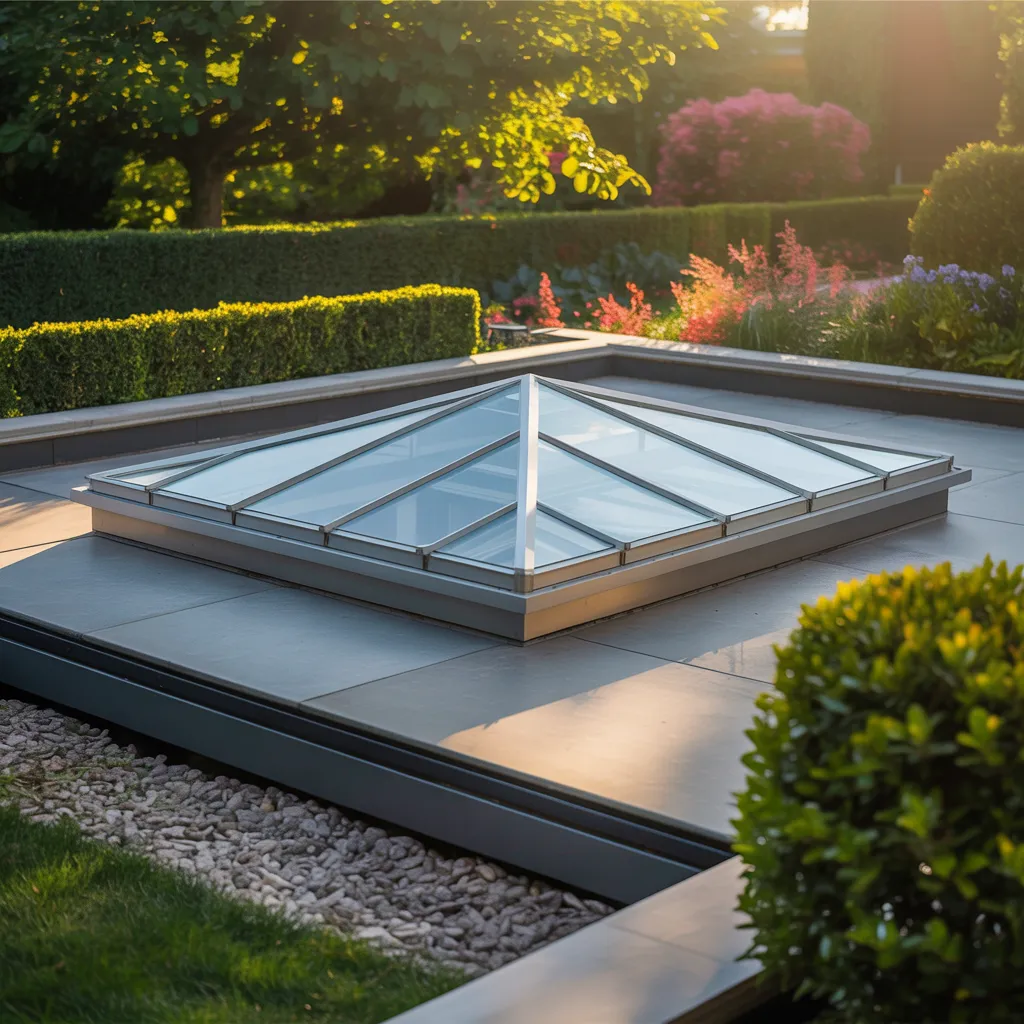
How Roof Lanterns Handle Lighting and Space Challenges
Roof lanterns considerably increase daylight in interiors, changing dimly lit areas into radiant, appealing settings. These architectural features operate not only to enliven but also to produce an sense of larger, more open areas. Strategically placed, roof lanterns capture natural light from above, thoroughly distributing it around the interior. This daylight minimizes reliance on electric lights, supporting power conservation.
In addition to their lighting capabilities, roof lanterns enhance improved ventilation. Many styles incorporate operable skylights, allowing fresh air to circulate, which is especially advantageous in kitchens and living areas. The aesthetic appeal of roof lanterns further enhances the overall design of a home. By bridging the gap between indoor and outdoor spaces, they create a seamless connection with nature. Ultimately, roof lanterns address both lighting and spatial challenges, making them a practical choice for contemporary interiors aiming to maximize brightness and openness.
Determining the Best Style for Your Property
When selecting the ideal style for a home, one must think about how a roof lantern can enhance the overall architecture and interior design. Various styles of roof lanterns, from contemporary to traditional, offer distinct aesthetic benefits. For modern homes, sleek, minimalistic designs with clean lines improve the space without overwhelming it. In contrast, classic Victorian or Edwardian styles can add a touch of elegance and charm to period properties.
Furthermore, the choice of fabrics serves as a important role. Selections such as aluminum, wood, or glass can shape the lantern's appearance and durability. Pigment also is important; a soft scheme may merge seamlessly, while bold pigments can establish a striking focal point.
Ultimately, the roof lantern should blend with the current design, enriching the home's character while providing a coordinated look. By carefully evaluating these aspects, homeowners can choose a roof lantern style that enhances their home.
Improving Organic Light and Design Elegance
Modern roof lanterns function as a powerful tool for boosting daylight exposure, considerably brightening interior spaces. Their sophisticated architectural features not only elevate the overall design quality but also provide practical benefits, such as improved energy efficiency. By integrating these elements, homeowners can create inviting environments while minimizing reliance on artificial lighting.
Optimizing Daylight Exposure
Natural light plays a significant role in boosting the ambiance of interior spaces, making the strategic use of roof lanterns an essential design element. By enhancing daylight exposure, these fixtures enhance the overall environment while lowering reliance on artificial lighting. The placement and size of roof lanterns can greatly influence how light spreads into a room, allowing for an even distribution of brightness throughout the day. Furthermore, the translucent materials commonly used in lantern construction create an unobstructed flow of light, eliciting a sense of openness. This integration not only fosters a explore here welcoming environment but also draws attention to architectural features, boosting both functionality and aesthetic appeal. Ultimately, roof lanterns serve as a stylish solution for harnessing natural light, enriching the home experience.
Modern Architectural Features
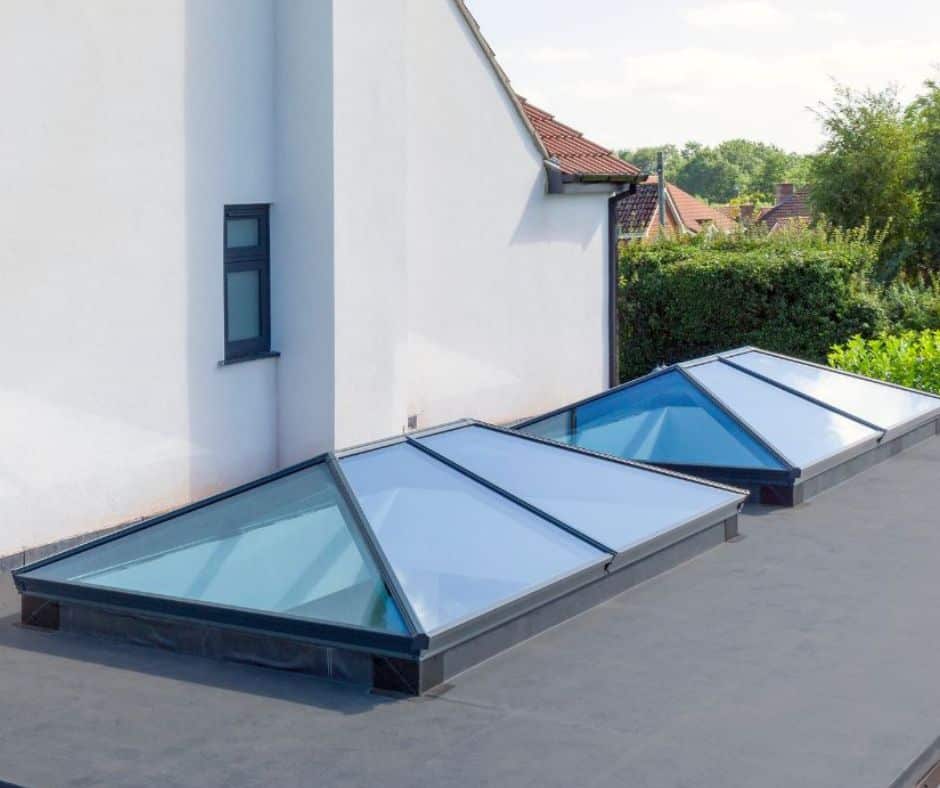
Roof lanterns act as remarkable architectural features that seamlessly merge functionality with style. These stylish installations raise any room, drawing the eye skyward and improving the overall aesthetic of a home. By incorporating sleek lines and up-to-date styles, roof lanterns can complement a range of architectural forms, from modern to classic. Their clear forms let in natural light to brighten living areas, creating an warm atmosphere while showcasing interior design details. Moreover, roof lanterns can act as focal points, adding distinctiveness and warmth to otherwise plain ceilings. Homeowners admire their adaptability; whether set in kitchens, living rooms, or hallways, roof lanterns not only illuminate spaces but also contribute to the home’s architectural theme, enhancing both beauty and functionality.
Energy Efficiency Rewards
While many design features focus solely on aesthetics, energy conservation plays an essential role in the benefits of roof lanterns. These installations not only enhance a home’s visual appeal but also maximize natural light, decreasing the need for artificial lighting during the day. By strategically placing roof lanterns, homeowners can illuminate spaces with sunlight, creating bright, inviting interiors. This surge of natural light can lead to lower energy consumption and reduced electricity bills. Additionally, modern roof lanterns are often designed with eco-friendly glazing, which helps maintain comfortable indoor temperatures by minimizing heat loss in winter and preventing overheating in summer. Consequently, roof lanterns serve as a practical yet attractive solution for energy-conscious homeowners.
What You Should Consider When Installing Roof Lanterns
When considering the installation of roof lanterns, many vital points must be examined to confirm both aesthetic appeal and productive performance. First, the size and shape of the lantern should match the architectural style of the home, ensuring a integrated look. The positioning is also significant; ideally, roof lanterns should be placed in areas that maximize natural light while limiting heat loss.
The choice of material considerably affects longevity and power conservation. Options such as aluminum and timber each deliver unique benefits, including insulation and weather resistance. Additionally, the type of glazing impacts thermal performance and safety.
Finally, it is critical to take into account local building regulations and zoning laws, which may dictate particular specifications for installation. By carefully evaluating these elements, homeowners can improve both the beauty and practicality of their living spaces with modern roof lanterns.
Maintenance Advice for Long-Wearing Roof Lanterns
To guarantee the longevity of roof lanterns, a regular upkeep schedule is essential. Regular cleaning avoids the buildup of dirt and debris, which can obstruct light and reduce visual appeal. Furthermore, regular examination of weatherstripping is vital to preserve thermal performance and avoid water damage.
Routine Sanitation Schedule
A consistent cleaning plan is vital for upholding the aesthetic and efficiency of roof lanterns. Over time, dust, debris, and weather effects tend to build up, diminishing their aesthetic charm and impeding light. To ensure peak performance, it is best to clean the lanterns at least twice per year, preferably in spring and autumn. Use a non-abrasive cloth or sponge with a light detergent to delicately clean the glass and frames. Steer clear of harsh substances that could mar the surface. For tight spots, a soft-bristled brush can be utilized. Routine care not only boosts appearance but also increases the longevity of the lanterns, guaranteeing they remain functional and bright. Keeping this routine creates a well-lit and pleasant environment.
Assess Seals Routinely
Consistently inspecting seals is crucial for keeping the wholeness of roof lanterns. Over time, seals can deteriorate due to weathering with weather elements, resulting in potential leaks and reduced energy efficiency. Homeowners should examine seals for breaks, separations, or wear indicators at least twice a year. Any clear damage should be repaired promptly to forestall further issues.
To perform a careful inspection, it's prudent to survey both the interior and outward sealings, guaranteeing they remain watertight and secure. If any deterioration is noted, freshening seals with appropriate items or consulting a professional may be crucial. By valuing seal inspections, homeowners can maximize the longevity of their roof lanterns and copyright an inviting and bright and airy living space.
Can Roof Lanterns Cut Money?
What ways can skylights contribute to budget savings in a home? Roof lanterns improve sunlight, reducing the need for electric illumination during the day. This can result in lower electricity bills, especially in rooms where they are installed. Additionally, the abundance of natural light can establish a more inviting mood, potentially increasing property value and making homes more attractive to buyers.
Furthermore, roof lanterns can upgrade ventilation when designed with operable features, which helps maintain comfortable indoor temperatures. This can decrease reliance on heating and cooling systems, further contributing to energy savings. By optimizing the use of daylight and improving air circulation, homeowners may find that their overall energy consumption decreases, leading to significant long-term savings. In this way, roof lanterns not only enhance aesthetics but also serve as a practical investment for energy efficiency.
Creative Layout Concepts for Roof Lanterns
Deploying multi-layered lanterns can accomplish layered appeal and visual richness, allowing daylight the ability to play off various surfaces. Choosing materials like metal or timber can blend with existing decor, providing warmth or a sleek modern finish. For outdoor spaces, weather-resistant designs with integrated LED lighting can supply both functionality and beauty.
Finally, strategically positioning lanterns over dining areas or living spaces can establish a welcoming ambiance, making them not just a source of light, but a design statement that elevates any setting.
Often Posed Queries
What Resources Are Regularly Integrated for Roof Lanterns?
Common options for roof lanterns consist of aluminum, glass, and timber. These materials are chosen for their longevity, visual beauty, and capacity to withstand various weather conditions, guaranteeing longevity and efficient light transmission in residential designs.
Are Roof Lanterns Compatible with All Roof Types?
Roof lanterns cannot be universally suitable for every type of roof. Their capability and placement depend on variables including gradient, construction, and makeup, requiring careful consideration to guarantee compatibility and ideal performance in different circumstances.
Are Roof Lanterns Capable to Be Adapted for Exact Sizes?
Yes, roof lanterns are able to be personalized to match particular dimensions, supporting different architectural designs and preferences. This versatility allows residents to enhance their domestic areas while ensuring ideal illumination and airflow through bespoke setups.
What Is the Standard Lifespan of a Roof Lantern?
The typical longevity of a roof lantern ranges 20 to 50 years, influenced by materials and regular upkeep. Top-tier options often last more years, while severe weather conditions can affect durability and quality.
Are Roof Lanterns Subject to Planning Permission?
Roof lanterns usually do not require approval if they comply with local rules and standards. However, it is advisable for property owners to contact their local authority to verify particular conditions before installation.